
The Most Dangerous Sentence the Early Church Ever Spoke

Jesus Christ is Lord. He is also the Prince—the Prince of Peace. The King in waiting.
Jesus doesn’t need to be voted in. He doesn’t rise or fall with public opinion. He already has all authority in heaven and on earth. And one day—perhaps sooner than we think—He will return as King of kings. His government will be more righteous and more powerful than any on earth, and His kingdom will have no end.
When Jesus returns, His government will be more righteous and more powerful than any on earth, and His kingdom will have no end.
That truth isn’t just something we believe. It should make us different. More confident. More hopeful…
More free. Free from panic. Free from outrage. Free from living constantly angry, defensive, or afraid.
If anyone had a reason to panic, it was the early church. They lived under real oppression—far more than most of us will ever experience. Their leaders were openly immoral and deeply corrupt. They didn’t have social influence. They didn’t have legal protection.
And yet, they weren’t ruled by anger or fear. They were ruled by Jesus.
Their leaders were openly immoral and deeply corrupt. They didn’t have social influence. They didn’t have legal protection. And yet, they weren’t ruled by anger or fear. They were ruled by Jesus.
They were free.
They didn’t spend their energy jeering at the wrong leaders or waiting for the right ruler to finally “fix” everything. Their bold, dangerous, ill-received declaration was simple: “Jesus Christ is Lord.”
And they lived—and died—believing it.
While we wait for His return, two-thousand years later, we still get to speak. We still get to vote. We still care about this country and its people.
But like the early church, we have a better message than political hope, activism, or change.
When the first Christians said, “Jesus Christ is Lord,” it wasn’t seen as a merely religious statement. It was deeply unpatriotic. It cut straight against the grain of the culture.
When the first Christians said, “Jesus Christ is Lord,” it wasn’t seen as a merely religious statement. It was deeply unpatriotic.
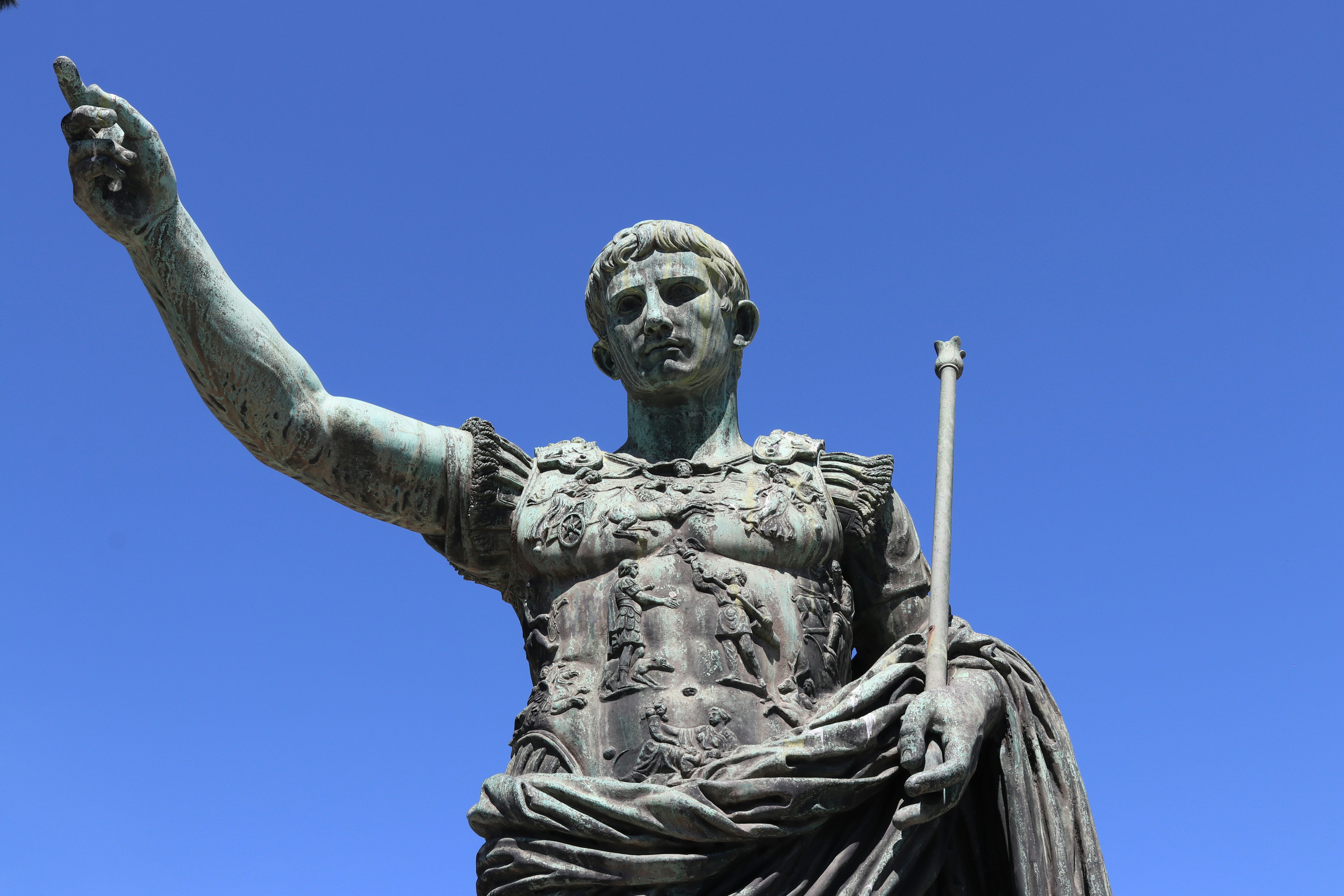
“No,” the crowds insisted. “Caesar is Lord.” Their hope, identity, and loyalty were tied to the nation and its representatives.
For the early Christians to say Jesus was Lord wasn’t just disagreeable—it was threatening. And for that confession, believers were jeered, excluded, and even killed.
Yet they declared it anyway. And lived by it.
And as they did, something far greater than political reform or cultural change began to happen.
Jesus was trusted. Sins were forgiven. Men and women were born again. They were reconciled to God. They were made members of God’s family. Their lives were changed. And they became citizens of heaven, of a just, righteous, and joyful kingdom that cannot be shaken.
Their message had a bit of a future slant. The not-yet kingdom. But that was their message.
Not “Rome can be fixed.”
Not “Caesar will save us.”
But “Jesus Christ is Lord! And He shall return to reign as King of kings, and Lord of lords—and He will make all things new.”
Everything wrong in the world will be made right. No more sin, curse, or pain…
Peace will replace war. Goodness will triumph over evil. Justice will banish injustice.
Love will cast out hatred. Hearts will be renewed. He will make all things new…
God will be with us. His dwelling place will be glorious. And the whole earth will know the LORD!
And that is still our message today. Not fear. Not outrage. Not panic.
But hope. A living hope in a loving God, a sovereign Lord, a future reigning King, and everlasting joy in a matchless kingdom.
May the church believe this—and live like it—that the world may see our hope and receive her King.